Duvet Forts and the 06:45 Bin Lorry: Nine Days Recording My Own Novel in a Cupboard
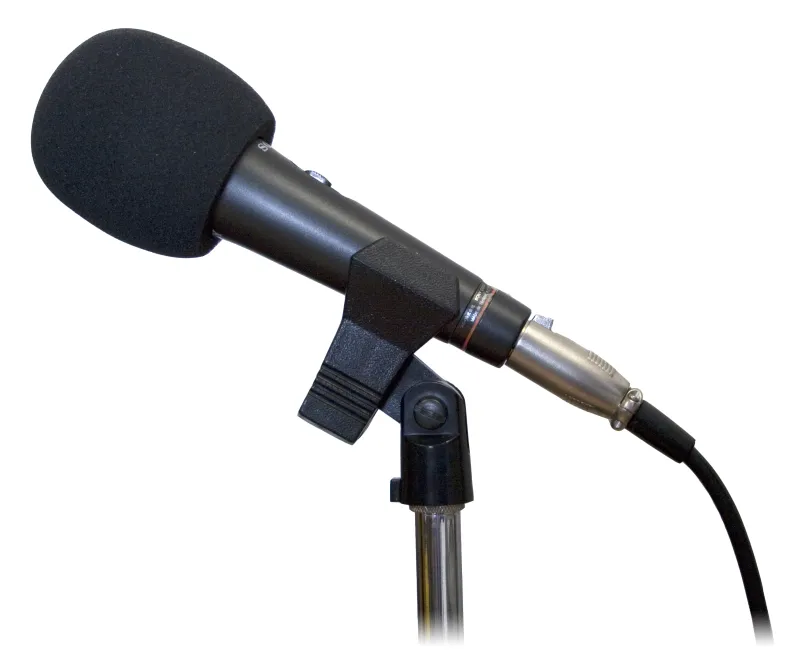
Photo: microphone and duvet soundproofing in small home recording cupboard, via upload.wikimedia.org
There is a moment, somewhere around chapter four, when you hear your own voice say the word 'moist' and you have to stop, remove the headphones, and stare at the inside of a wardrobe door until the feeling passes. I got through that moment. I got through eight more days of them. The result is an audiobook that nobody commissioned, nobody was waiting for, and which is now out there in the world, sounding exactly like me.
This is the account I wish I'd been handed before I started.
Why Bother With a Book Nobody Asked to Hear
The polite answer is accessibility. The honest answer is that a small but real number of people ask me, at every signing, whether there's an audio version. For a mid-list author, 'audio' is usually a sentence that ends with 'we'll look at it if hardback performs'. Hardback did not perform. So it fell to me.
There's also the control argument. My voice, my pronunciation, my decision about whether the character from Sunderland actually sounds like it. And there is a less noble reason: an audiobook is a second edition of your book, and I wanted to see if I could make one with my own hands. I am a person who built a wonky shelf rather than buy one, so take that for what it's worth.
Building the Fort
The studio was the cupboard in the spare room. Not a walk-in wardrobe; a cupboard, roughly the footprint of a large filing cabinet, with a shelf I removed and a hook where a coat used to hang. Total floor space: enough for a chair, a folding table for the laptop, and a second-hand microphone stand bought from a man in Stockport.
Soundproofing was a duvet. Then two duvets. Then a third, tented over the head end so that I was, in effect, reading aloud inside a small fabric cave, breathing air that had been around since Tuesday. Along the walls I hung two old mattress toppers and a picnic blanket. The acoustic foam panels I eventually bought cost more than the microphone and made less difference than the picnic blanket.
The first test recording sounded like a man shouting into a jar. The second, after the duvets, sounded like a man shouting into a jar from further away. It took me a full evening to work out that the hollow boominess was the laptop fan sitting a foot from the mic, and that the answer was to put the laptop outside the cupboard and run a very long USB cable, which is what I should have done on day one.
The Technical Bit Nobody Explains Properly
I am not a sound engineer. I am a person who can follow a video tutorial and swear. What I learned, in the order I learned it:
Get the microphone off the desk. Vibration travels through furniture and into the recording. A £12 boom arm and a folded tea towel did more for my sound than anything else I tried.
Aim for a clean, unprocessed recording and do less later. I recorded at 44.1 kHz, 16-bit, because that is the standard most retail platforms ask for, and I left the noise reduction alone until I had the whole book down. Noise reduction applied badly sounds like being underwater; applied well sounds like nothing, which is the point.
Headphones must be closed-back. Open headphones leak into the microphone and give you a faint ghost of yourself in every pause.
Leave room tone. Record thirty seconds of silence at the start of every session — no chair creak, no sighing, just the room. You will need it to patch out the sounds you don't want, and you cannot manufacture it later.
Hear Your Own Novel Read Back
Here is the odd part, and I don't think it goes away with practice.
Reading your own prose aloud is a lie detector. Every sentence that only worked on the page collapses when it hits the air. Adverbs you defended in the edit become audible apologies. And dialogue written for a character who speaks in clipped sentences turns out, in your mouth, to be a man doing an impression of a bus timetable announcement.
I have heard my narrator described by a friend as 'sounding like someone phoning a plumber'. This is accurate. Warm, but accurate. Somewhere around chapter seven I stopped trying to perform and started trying to be understood, and I wish I had got there sooner.
The Bin Lorry Problem
The bin lorry arrives at 06:45 on Wednesdays. I know this now the way you know the name of a hospital consultant. My recording window was 06:00 to 07:30 before the house woke up, which meant every Wednesday I lost the middle of the session and had to redo it at the weekend.
Other hazards, in order of frequency: next door's hedge trimmer, a pigeon that had found a gap in the roof felt directly above the cupboard, the boiler firing up, my own stomach, and a Tesco delivery van that idles outside our house for reasons I will never understand. The duvet catches footsteps and soft consonants, but nothing catches a bin lorry. I have two chapters that carry a faint ghost of municipal refuse collection. I have decided to think of it as texture.
The Edit You Didn't Know You Needed
Editing took longer than recording. Every fluffed line, every swallowed 't', every time I said 'she said' where the page has 'he said' — all of it needed cutting. I worked chapter by chapter, kept a spreadsheet of pickups, and built a patch list as I went.
The unexpected dividend is that I now hear my own bad habits from the outside. I know which sentence shapes I overuse. I know I lean on the word 'actually'. I have a much better ear for when a paragraph is doing nothing. Nine days in a cupboard bought me an editorial education that four years of writing had not.
Getting It Out There
There are routes for independent audio now — distributors that will take your files and place them with the big retailers, or you can host and sell direct. Read the spec sheet twice. Get your files mastered to your platform's loudness target, name them properly, and check that the chapter order in your metadata matches the chapter order on the page, which is a mistake that will eat a weekend.
Would I do it again? Yes. The next one will be quicker, and I will build the fort on day one rather than day three. But I am already braced for Wednesday.