Judging a Writers' Group by Its Biscuits: A Field Guide to British Literary Hospitality
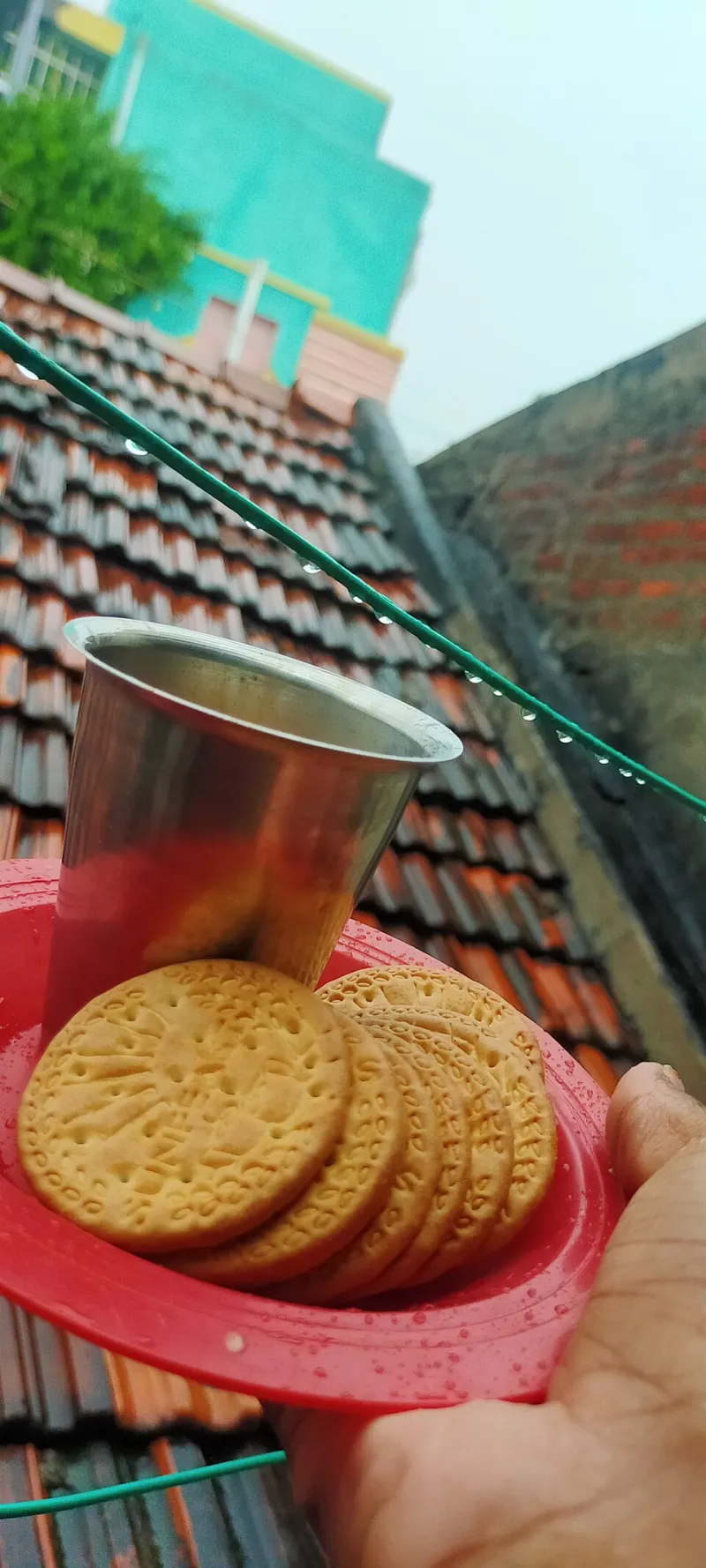
Photo: DEEPAN RAJA .M, CC BY-SA 4.0, via Wikimedia Commons
I have attended, over the past ten years, somewhere in the region of forty writers' groups, six literary festivals and one deeply confusing 'prose and prosecco' evening in a Sheffield wine bar. And I have reached a conclusion that no arts council report will ever confirm: you can tell everything about a writing scene from its refreshments.
Not the speakers. Not the quality of the manuscripts. Not even the ratio of published authors to people who've written eleven chapters of a fantasy epic they've been 'nearly finishing' since 2014. The refreshments. Every time.
The Theory
Here's my reasoning. Anyone can book a decent speaker. There's a whole circuit of them, touring the country with the same twenty minutes of anecdotes about their agent. But refreshments can't be faked. They require volunteers, budget, and — crucially — people who actually want to be there. A group that provides proper tea in a proper pot is a group that plans to stay a while. A group that offers you a lukewarm paper cup and a single pack of Tesco value digestives for twenty people is a group quietly hoping everyone leaves by eight.
The best group I ever belonged to met in a Methodist hall in the Peak District. Margaret, who wrote meticulous historical fiction about canal boats, brought a flask, a milk jug and — without exaggeration — a tin of home-made flapjack every single fortnight. That group survived a committee coup, a hall hire dispute and the death of its founder. The flapjack never wavered. Coincidence? I don't think so.
A Taxonomy of Group Refreshments
After much fieldwork, I've sorted British writing groups into a rough typology.
The Buffet Maximists. Often northern, frequently affiliated with a library. There will be sausage rolls. There will be a raffle. The critique session may be delayed forty minutes by discussion of someone's hip operation, and honestly, that's part of the charm. These groups produce the most loyal readerships in Britain.
The Biscuit Minimalists. One packet. Usually bourbons. Passed around like contraband. Often found in university towns, where the energy is intellectual but the catering budget is £4.50 per term.
The Coffee Machine Clique. Festival-adjacent. There's a bean-to-cup machine, oat milk options, and an unspoken hierarchy based on who knows how to descale it. Excellent lattes, slightly bloodless conversation.
The Bring-Your-Own Anarchists. No provisions whatsoever. Everyone guards their own thermos. These groups tend to dissolve within eighteen months, and I believe the two facts are related.
The Biscuit Durability Rankings
Now to the serious business. A biscuit's worth at a writers' group is not about flavour. It's about performance during a two-hour critiquing session, during which dunking opportunities are sporadic and emotional stakes are high. My rankings, tested under genuine conditions:
- The Ginger Nut. Structurally indestructible. Could be used to patch the village hall roof. Survives being forgotten in a coat pocket. A reliable friend.
- The Bourbon. The workhorse. Dunks beautifully if timed correctly, and even a failed dunk leaves you with edible spoons. Never lets you down.
- The Custard Cream. Elegant, dependable, slightly dull. The Jane Austen of biscuits.
- The Chocolate Finger. Delicious but fragile. Will shatter during a tense feedback session about your second act. Eats you, rather than the other way round.
- The Shortbread Finger. A special-occasion biscuit. Its appearance signals a birthday, a acceptance letter, or someone's cousin getting a book deal. High status, low frequency.
- The Rich Tea. I'm sorry, but no. It disintegrates if you look at it sternly. A biscuit with the emotional resilience of a first draft.
What the Tea Tells You
I understand this sounds like I'm avoiding the actual literature. But bear with me. A writing group is, at heart, an act of collective generosity — people giving their evenings to read each other's wobbly first chapters. The refreshments are the visible evidence of that generosity. When someone has remembered you take your tea strong, or that you're off the gluten, that's not catering. That's a community that's paying attention.
The worst group I ever attended — well-run, punctual, speakers of genuine distinction — offered nothing. Not water. Not a biscuit crumb. We sat in a rented office space with strip lighting, workshopped for ninety minutes, and left without speaking to anyone. It folded within the year. I'd have predicted that from the empty counter by the door before anyone read a single page.
So here's my modest proposal for the next arts funding round: forget audience development plans. Send assessors to the tea urn. Count the biscuit varieties. Note whether there's a raffle prize. Because the groups that feed people are the groups that last, and the scenes that last are the ones that actually get books written.
Margaret moved to Whitby last spring. The canal boat novel remains unfinished. But before she left, she handed me the flask. 'You'll need this more than me,' she said.
She was right. I bring it every fortnight. The flapjack recipe came with it.