The Page Before the Story: Confessions of a Dedication
Photo: Basile Morin, CC BY-SA 4.0, via Wikimedia Commons
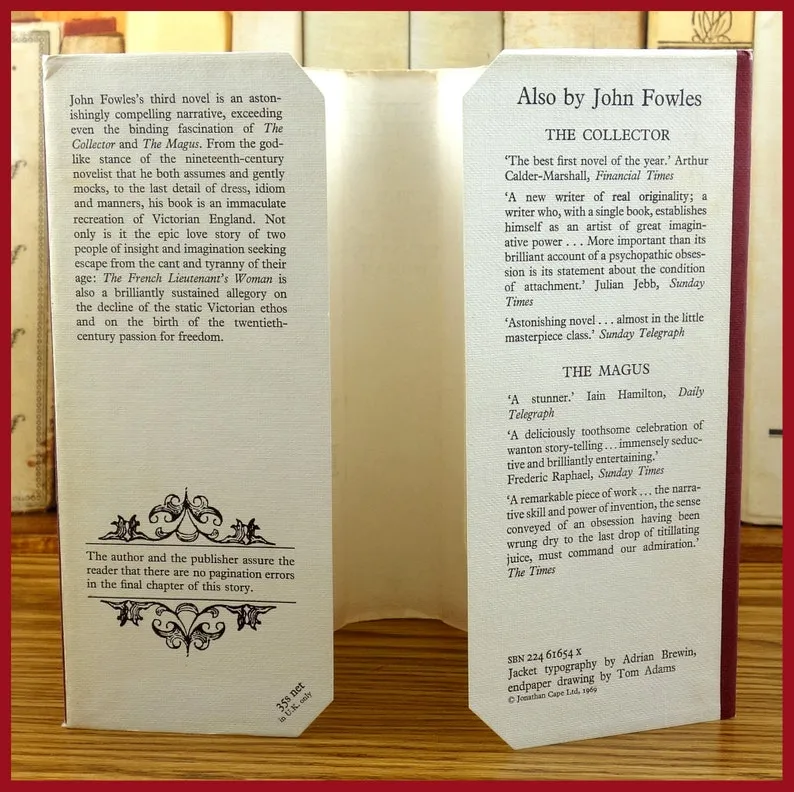
There is a page in every novel that no editor has ever marked. It sits between the title page and the first chapter, often in a smaller font, sometimes in italics, and it says something like 'For Dad'. I have written four of these pages now, and I have learned that they are the most emotionally complicated blank space in publishing. They are also the only pages that survive every editorial pass untouched, which is not the same as unscathed.
The Blank Page That Isn't Blank
When you sell a book, the dedication feels like the easy bit. You've spent two years wrestling with plot and comma splices; surely you can manage one line. But the dedication is not a line. It's a small public statement about who you love, who you owe, who you've forgiven and who you're quietly hoping will buy the hardback. It is read by your family, your friends, your exes, your writing group and a man in Orkney who found the book in a charity shop. It is also read by the person you left out. That last reader is the one who keeps you awake.
The Near-Misses
My first novel was dedicated to my nan, who taught me to read and never quite believed I'd finish anything. That was straightforward, or so I thought, until my mum asked why she wasn't in it. The answer — that the book was about a grandmother and a grandson, and that my nan had died the year before I started — was true but useless. I had not understood that a dedication is not a ranking of love. It is a story about the book. My second was dedicated to my wife, which caused a brief but memorable row with my sister, who had proofread the whole thing for free and had assumed, not unreasonably, that she'd get a mention. My third was dedicated to 'the readers who kept the lights on', which was meant to be generous and instead sounded like I was thanking my electricity supplier.
Etiquette for Naming Names
There are rules, though nobody writes them down. Don't dedicate a book to someone you're about to break up with. Don't dedicate it to a pet unless the pet is genuinely central to the plot; a cat on the dedication page sets a tone you cannot control. Don't thank your agent and your editor and your copy-editor and your mum and your dog and the man who fixed your boiler, because then it reads like an Oscars speech and the page loses its power. The best dedications are short, specific and slightly mysterious. 'For E., who knows why.' That sort of thing. It suggests a story without telling it. It also means that if E. turns out to be a terrible person, you can claim it was about someone else.
The One That Got Away
I have a dedication I never used. It was for a friend who read my first draft on a train to Edinburgh and sent back nine pages of notes, including one that said 'I don't believe the brother'. She was right. The brother changed the book. When the novel came out, I dedicated it to my nan. My friend never mentioned it. That's the thing about dedications: the people who deserve them are often the ones who will never ask. They know the book is the thank-you. They also know that a page is a small thing compared with nine pages of notes on a train.
The Page That Survives
My editor has never changed a dedication. She has changed my title, my ending, my chapter order and the spelling of 'judgement' (twice). But the dedication page goes through every pass untouched. It is the one bit of the book that belongs entirely to the author, which is why it's also the bit that can hurt the most. It is a public record of a private feeling, printed in a font slightly smaller than the rest, and then shipped to warehouses. I still read the dedication pages of other people's novels. I like the brevity. I like the way they sit there, saying one thing to one person while the rest of us read on.