Seven Books That Rewired My Brain (And How to Bag Them for Pennies)
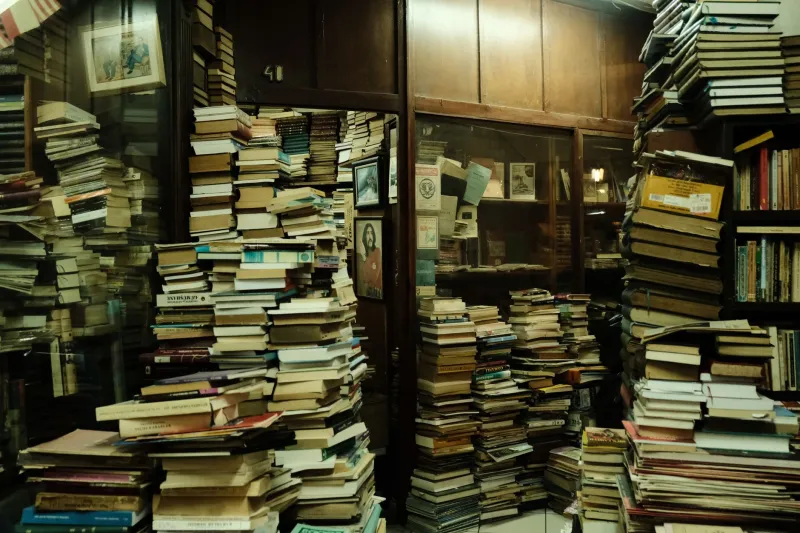
Nobody becomes a writer in a vacuum. You become one by reading other people — badly at first, then jealously, then with something approaching love. These are the seven books that did the most damage (in the good way) to my ambitions, along with my honest advice on where to find them without spending a fortune. Because if there's one thing UK readers should never have to do, it's pay £16.99 for a paperback.
1. On Writing by Stephen King
Half memoir, half craft manual, all kick up the backside. King's core message — that talent is common and discipline is rare — stung me into finishing my first proper manuscript. Read it for the bit about adverbs. You'll never look at the word suddenly the same way again.
Where to find it cheap: This one's everywhere. It's a charity shop staple — Oxfam bookshops and Age UK branches seem to breed copies. I've never walked into a second-hand bookshop and not seen it.
2. Cider with Rosie by Laurie Lee
The book that taught me a childhood in a Gloucestershire village could be as dramatic as any war. Lee's prose is so lush it's practically agricultural. It made me realise that where you're from is a legitimate subject, not just the place you escape from.
Where to find it cheap: Penguin Classics reissues appear in every village fete book stall known to humankind. Alternatively, reserve it free through your local library — most English and Welsh library services let you place holds online via the LibrariesWest-style apps or your council's catalogue.
3. The Rings of Saturn by W.G. Sebald
A man walks through Suffolk and accidentally writes one of the strangest, most beautiful books ever published. It's about memory, empire, herring, and melancholy. It taught me that structure can be an emotion.
Where to find it cheap: Harder to spot second-hand because people keep theirs. World of Books and AbeBooks are your friends — I've seen decent paperback copies for under a fiver. Check eBay's book section with a saved search and patience.
4. Writing Down the Bones by Natalie Goldberg
Short chapters, big permission. Goldberg's idea of "writing practice" — timed, unedited, uncensored — got me through the years when I had nothing to say but kept saying it anyway. That's most years, honestly.
Where to find it cheap: Charity shops again, particularly in market towns. Also worth checking BookDonation, the UK's second-hand book price comparison site, before buying anything new.
5. A Kestrel for a Knave by Barry Hines
Written in a South Yorkshire voice so precise it never dates. Hines showed me that working-class life deserved literature without a costume change. Every writer who's ever been told their accent or their street isn't "literary" should read this and take notes.
Where to find it cheap: Penguin editions float through second-hand circuits constantly. Your library network is the real hero here — if your branch doesn't have it, most UK library services participate in inter-library loans for a nominal fee, often £1 or so.
6. Bird by Bird by Anne Lamott
The "shitty first draft" book. Lamott is funny and generous and honest about the mental gymnastics of the job. I reread it whenever I've convinced myself that everyone else finds this easy. Nobody finds this easy.
Where to find it cheap: Amazon Marketplace sellers via the used listings, or Better World Books, which ships to the UK and does good deeds with the proceeds. Charity shop hit rate: moderate but real.
7. The Old Man and the Sea by Ernest Hemingway
I include it partly because it's short enough to read in one sitting on the Manchester-to-Leeds train, which is how I first read it. But mostly because it taught me compression — that you can cut a story to the bone and it'll still be alive.
Where to find it cheap: It's practically free. Every second-hand bookshop in Britain has at least three copies, usually with someone's name written inside from 1978.
A Word in Defence of Second-Hand Books
I know some people want pristine new editions, and fair enough. But there's something fitting about a writing book with someone else's underlining in it. My copy of Bird by Bird belonged to a stranger named Margaret, whose marginalia is more ruthless than any editor I've worked with. She's my unofficial co-author now.
So: raid the charity shops, work your library card like it owes you money, set the eBay alerts, and read the lot. None of these books will make you a writer on their own. But together, over years, they'll show you what's possible — which is where every writer starts.