Typing in a Sleeping Bag: The Winter I Started Billing My Muse by the Kilowatt

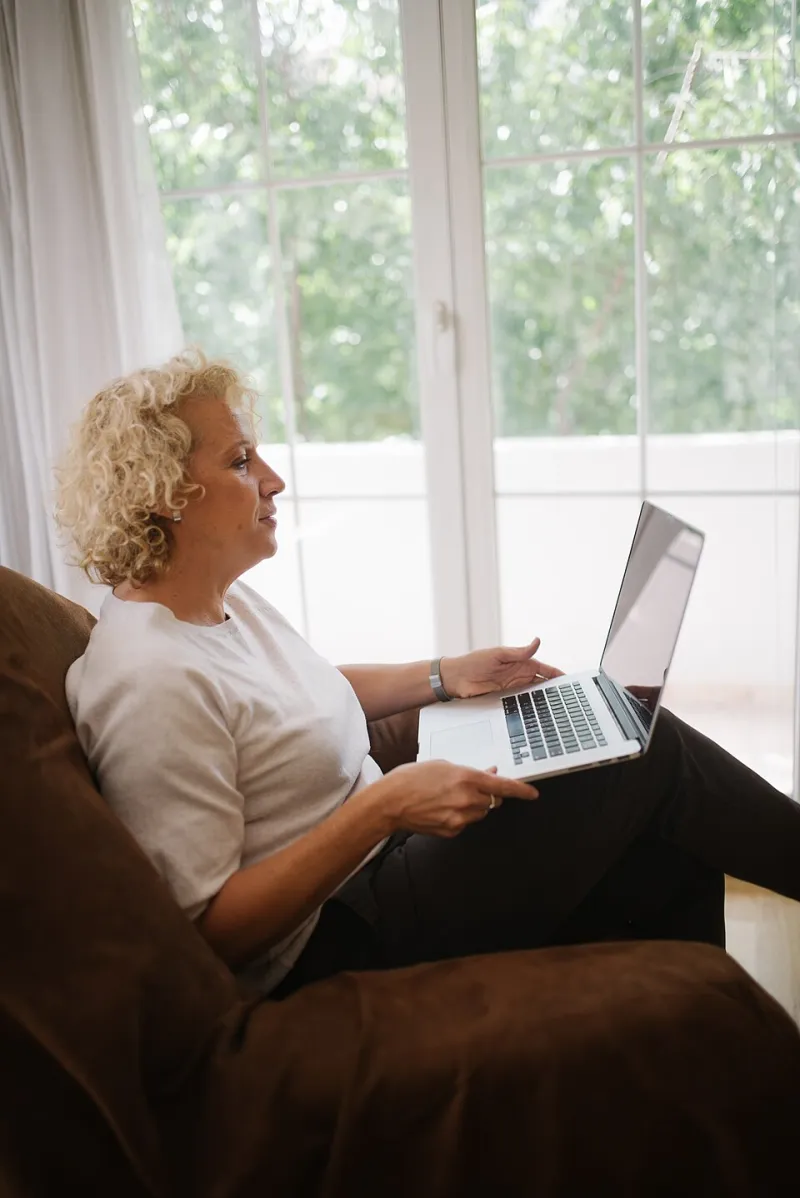
Photo: Wilfredor, CC0, via Wikimedia Commons
There is a spreadsheet on my laptop with two tabs. The first is called 'Novel — Draft 4' and tracks my word count. The second is called 'Actual Reality' and tracks my energy spend. Guess which one I open more often in February.
It started a few winters ago, when the standing charge went up and I found myself doing something no writing guide has ever suggested: I began scheduling my chapters around the price cap. Not deadlines. Not inspiration. The meter.
The Economics of the 9am Chapter
Here's the thing they don't put on the 'how to write a novel' courses: a British writer's working day has a thermodynamic shape. My flat is cold at six in the morning, warming up — for free, thanks to a generous south-facing window — by ten, and then it's a question of whether the radiators earn their keep.
So I write the hard stuff in the warm middle of the day, and I save the easy stuff — edits, emails, the endless fiddling with a single sentence — for the evening, when the heating is technically on anyway because my partner refuses to live in a jumper. This is not discipline. This is thermodynamics wearing a beret.
I did the maths once, properly, the way I imagine an accountant would if an accountant had a half-finished literary novel and a guilt complex. A full winter writing day, heating on from eight till six, kettle boiled a frankly embarrassing number of times, laptop humming, lamp on because British skies give up by half three: it comes out at roughly the cost of a paperback. Every day. My daily page rate, if I'm honest, does not cover my daily page warmth.
The Duvet Draft
Writers have always had coping strategies, but mine have got more industrial. There is now a dedicated writing duvet — a fat, navy monstrosity that drapes over me and the laptop both, transforming my desk chair into something between a nesting box and a very sad tent. The laptop runs hot, so in a way it's a two-birds-one-situation arrangement. I have written entire scenes about summer while my breath fogged in my own living room, which I like to think gives the prose a certain yearning quality.
Friends who work in offices find this funny until I point out that their employer pays the heating. Then they go quiet, and someone usually mutters about 'the state of it all', which is the most British conclusion available.
What the Cap Actually Did to My Head
When the energy price cap was announced, I noticed something odd in myself: relief, followed almost immediately by a strange flattening of the panic. The cap didn't make the bills small. It made them knowable. And for a freelance brain, knowable is everything.
The cap gave me a number I could plan around, and once I had a number, I stopped treating the heating like a moral failure. I now budget for warmth the way I budget for the bus or the occasional decent coffee. It goes in the spreadsheet under a line item I have genuinely labelled 'Writing Conditions'. Some months that's £40. In January it has been known to rival my food shop.
There's a version of this essay where I rage against the whole setup, and believe me, the rage exists. But the more honest observation is stranger: the cost of energy has quietly reorganised my creative life. It decides which room I write in (the small one, it heats faster). It decides when I draft (daylight hours, when the sun does the work). It even decides which projects I take, because a ghostwriting gig that pays promptly now beats a prestige commission that pays eventually. The meter has become a kind of brutal, unsentimental editor.
A Modest Proposal for Warm Prose
I'm not going to end this with a listicle of money-saving tips. You've seen them. You own a hot water bottle.
What I will say is this: I've stopped pretending the writing life floats free of the gas bill. The romantic myth — the garret, the candle, the shivering genius — turns out to be less charming when you're living it with a smart meter that emails you hourly. So I've made peace with the arrangement. I write when the flat is warm, I write badly in a sleeping bag when it isn't, and I keep the second tab of the spreadsheet open because pretending it isn't there never made a single bill smaller.
The novel will get finished. It may just be finished in June, when the heating's free and the light lasts until nine. The meter, unlike the muse, always tells me when it's time to work.