Twelve People, Two Flasks of Tea and the Best Book Sales I've Ever Had
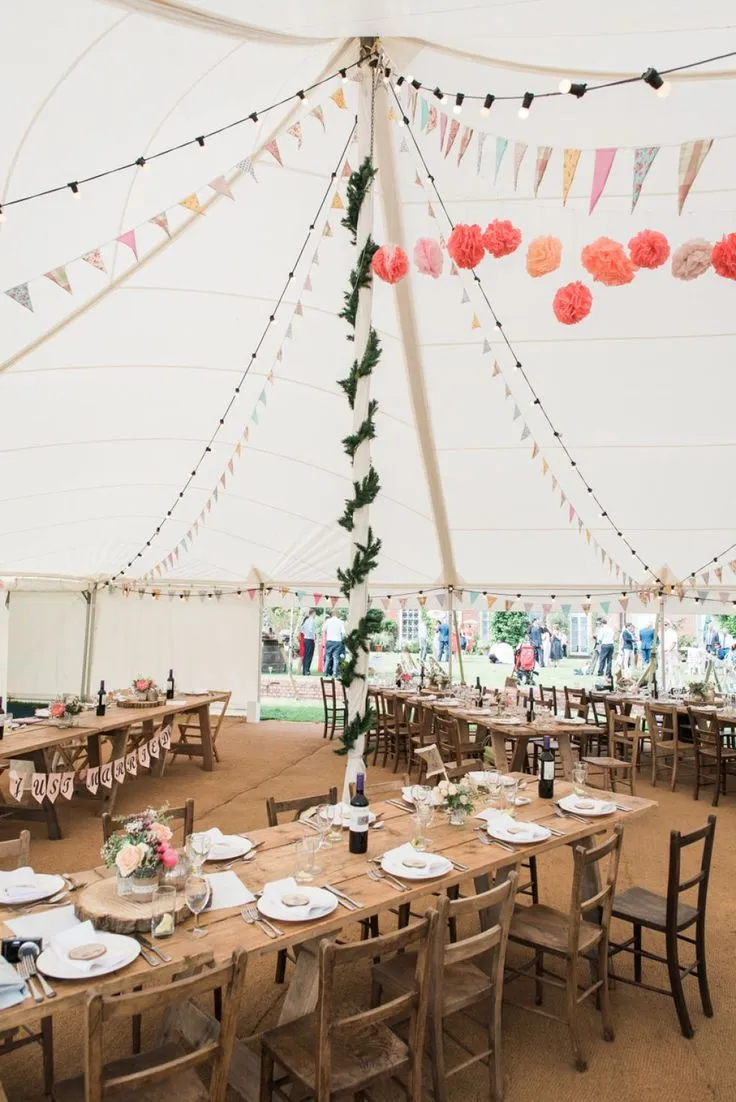
There's a photograph I keep on my phone that nobody ever asks about. It's a village hall somewhere in the Cotswolds — I'll protect the guilty — with twelve chairs arranged in a rough semicircle, a trestle table bearing a box of my novels, and a banner that reads WELCOME TO OUR EVENING WITH in letters that had clearly been printed on somebody's home inkjet, the last word trailing off the edge.
Twelve people. That was the attendance. Three of them were related to the organiser.
I sold nine books that night. It remains, pound for pound and hour for hour, the most profitable event of my entire career.
The gig economy nobody writes about
When people picture an author's life, they picture the launch party or, if they're feeling dramatic, the sad midlist author drinking alone. What they don't picture is the actual circuit: the library reading at 2pm on a Tuesday, the literary festival in a marquee that leaks, the talk to the WI where the raffle is more hotly anticipated than your opening chapter.
This is the invisible economy of British letters. Nobody covers it. There's no festival panel called So You're Speaking to Nine Pensioners in Ludlow — though frankly I'd chair it.
And yet. Add up those gigs across a year and they quietly become the spine of a writing career. Not the viral moment. Not the Radio 4 slot. The Tuesday afternoon in a library meeting room with a biscuit selection that includes a pink wafer.
What a village hall knows that London doesn't
Here's what happens at a small gig that never happens at a big one: people actually talk to you.
At a festival event with two hundred in the audience, you perform, they clap, and then the queue for the signing is forty minutes of small talk about how you spell Middleton. At a village hall, you finish, someone puts the kettle on, and then a retired geography teacher tells you about the novel she's been writing since 1994 and asks you a question so sharp you think about it for a fortnight.
The interval is the event. Tea and biscuits is where the real literary criticism happens. I've had more honest feedback over a custard cream than I ever got from a review.
And the sales — oh, the sales. Big events generate awareness. Small events generate transactions. People at a village hall buy a book because they've just spent ninety minutes with you and you seem like decent value for £9.99. They'll tell their book group. Their book group has eleven members who all buy it. The maths is unglamorous and it works.
The raffle economy
I should say something about the raffle, because the raffle is sacred. Nearly every small gig I've done ends with a raffle — usually for a hamper, occasionally for something baffling like a garden ornament — and the raffle is where the community reveals itself. People who wouldn't say a word during your Q&A will happily argue about whether the raffle tickets were torn properly.
I once signed a book as a raffle prize. The winner, a man named Keith, told me he'd been entering raffles for forty years and this was the first time he'd won anything other than a meat voucher. I inscribed it To Keith, the luckiest man in Shropshire. He wrote to me at Christmas to say he'd finished it and had opinions about the ending. Keith, if you're reading this: I've thought about your opinions, and you were right.
How to actually make small gigs work
Some hard-won advice, since I've done the wrong version of all of this:
Bring your own everything. Card reader, pen, spare pen, water, a cloth for the trestle table that may have hosted a whist drive since 1978. Assume nothing.
Talk less, ask more. Twenty minutes of reading, then questions, then stop early. Nobody has ever complained an author event finished in time for the last bus.
Price the impulse. Have change. Have a cheaper thing if you have one. The person who won't commit to a hardback will happily buy a short story pamphlet for a fiver, and that pamphlet is a seed.
Say yes to the weird ones. The rotary club, the school assembly, the bookshop with four shelves. The weird ones are where the stories come from, and the stories are what you'll be talking about at the next gig.
The long game
The publisher did more for my launch week than any village hall ever could. But the launch week ends, and the village halls keep going. They're the difference between a book that existed and a book that travels — passed hand to hand along a chain of Keiths and retired geography teachers and festival volunteers who read it on the night bus.
So if you're a writer staring down an offer to speak to twelve people in a hall with a leaky roof and a banner printed on someone's inkjet: go. Take the biscuits. Enter the raffle.
Buy a ticket. Trust me on this one.